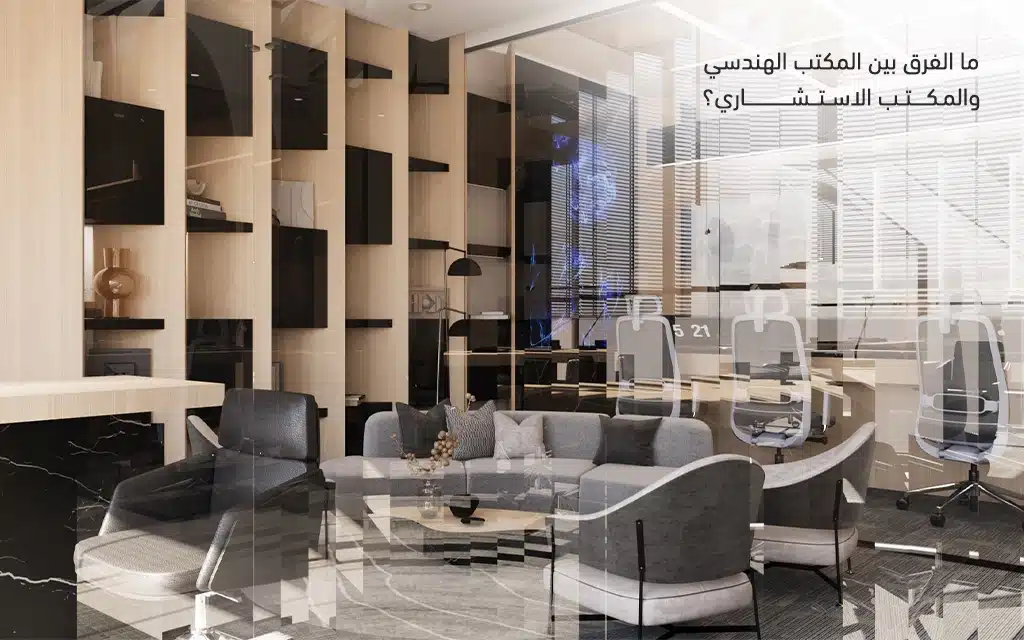
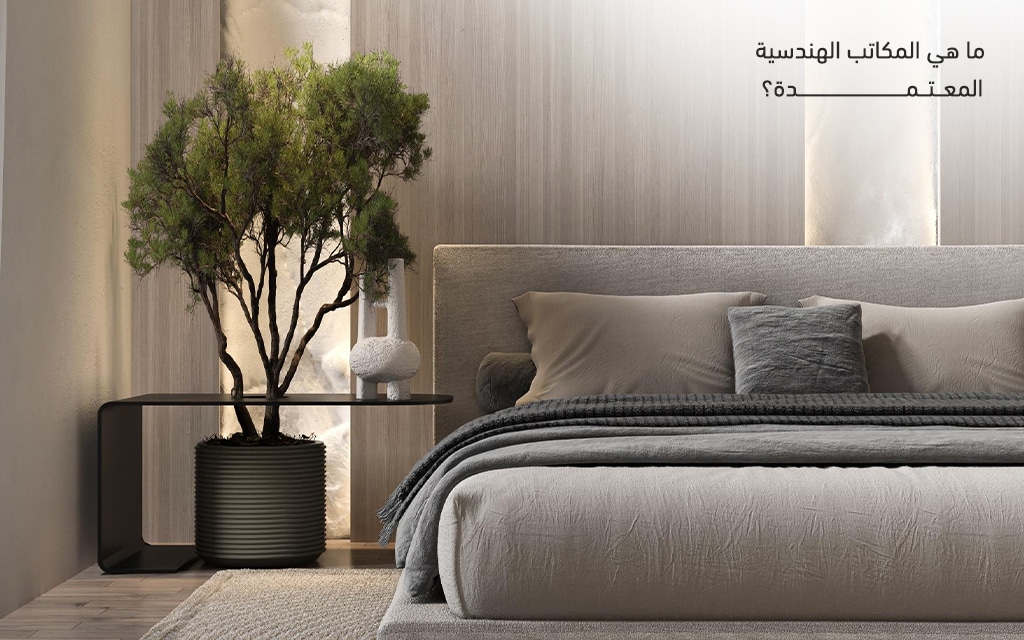
Interior design is not just choosing elegant furniture or coordinating harmonious colors, but it is an integrated process that aims to build a space that achieves a balance between beauty, function, and comfort. Hence the importance of a thoughtful interior design that takes into account the nature of the place, the needs of its users, and the way it moves within it, along with the details of lighting, materials, furniture, and finishes.
Whether the project is a new house, the interior design of an existing apartment, or the rehabilitation of a space that needs to be developed, pre-planning helps to utilize each meter efficiently, and reduces random decisions during implementation. Also, good design does not impose a single style on all spaces, but rather translates the user’s needs into solutions that suit their personality, the nature of the place, and their budget.
What is Interior Design?
Interior design is a discipline that combines engineering knowledge, aesthetics, and functional planning with the aim of developing interior spaces to become more usable and visually consistent.
The work usually begins with understanding the existing space or architectural plans, then studying the needs of the users and determining the functions required for each part of the space. The interior plans are then developed and the various elements, such as furniture, lighting, and finishing materials, are developed, taking into account the dimensions of the spaces and the paths of movement.
Therefore, the interior design of houses is not only about making the place beautiful, but also answers important practical questions:
- How can the space be used in the best possible way?
- What is the most appropriate distribution of furniture?
- How does the lighting reach the different parts of the space?
- What colors and materials suit the nature of the use?
- How can privacy and comfort be achieved?
- How do all the elements integrate into a single visual identity?
The desired result is a space that combines functionality and aesthetics rather than sacrificing one for the other.
Why is interior design important in improving the quality of spaces?
Good interior planning can clearly change the way a space is used, especially when space is limited or its current distribution does not fit the needs of the user.
-
Optimizing the use of spaces
One of the most important goals of interior design is to make the most of the available space. This may require redistributing rooms, choosing furniture that is appropriate for the dimensions, or exploiting unused corners and spaces.
In apartments with small spaces, this study becomes even more important because any ill-considered decision may affect movement and visual comfort.
-
Enhancing comfort and ease of use
A beautiful place is not successful if it is difficult to use. Therefore, a good design takes into account the relationship between furniture pieces, movement paths, the locations of doors and windows, and the user’s daily needs.
In the living room, for example, the distribution of furniture should allow for easy communication and movement, while bedrooms need a layout that achieves comfort and privacy and ensures easy access to storage units.
-
Building a
Consistent Visual Identity
Choosing colors, materials, furniture, and lighting in a separate way can lead to a heterogeneous result. Integrated design connects these elements within a clear visual language.
The identity may be simple and serene, contemporary, or luxurious, but most importantly, it is appropriate for the user and the nature of the project.
-
Improving the quality of lighting
Interior lighting is an essential element in the success of any space. It not only serves a practical function, but also affects the sense of dimensions, colors, and the overall atmosphere of the space.
Therefore, natural and artificial lighting can be combined, with the location of the lighting units determined according to the functions of each space.
What is the difference between interior design and decoration?
There is a common confusion between interior design and décor, although each has a different scope and role. The difference between them can be explained in the following points:
- Interior Design: It is concerned with the planning and organization of spaces, and the study of dimensions, movement, and functions, in order to ensure that the most benefit is made of the space.
- Interior Decoration: It focuses more on the aesthetic appearance of the space, through the choice of colors, fabrics, accessories, and decorative elements.
- Interior Design: It may include the preparation of interior plans, the distribution of furniture, lighting, and finishes in accordance with the nature of use.
- Decoration: It often comes after the basic distribution of the space has been determined, to add aesthetic touches and enhance the visual identity of the place.
- Interior Design: It aims to achieve the integration of function, beauty, and comfort.
- Decoration: It focuses more on the coordination of elements and the final appearance of the place.
Therefore, decoration can be considered part of the interior design system, but it does not reduce the concept of interior design to its entirety, as design starts from understanding the space, its functions, and the needs of its users, and then moves on to the aesthetic details that give the place its identity and personality.
What are the most important elements of successful interior design?
There are a group of elements that work together to create a balanced and comfortable space.
-
Distribution of spaces
Distribution is the starting point that determines the relationship of spaces to each other, and influences movement, privacy, and usability.
-
Furniture Design Coordination
The choice of furniture depends not only on the shape, but also on the sizes, function, and its relationship to the dimensions of the room. Large furniture in a limited space may make it look more cramped, while furniture that is too small may lead to a loss of visual balance.
-
Choice of colors
Colors are an influential element in the sense of place. They can be used to accentuate certain elements or create a sense of spaciousness or tranquility, taking into account the natural lighting and the nature of the materials.
-
Interior Lighting
It includes general lighting, task lighting, and lighting that is used to highlight specific elements. Its importance lies in achieving practical use while showing design details.
-
Materials Finishes
The choice of materials should combine appearance, function, ease of maintenance, and suitability for the nature of use. Luxury design does not necessarily mean using the most expensive materials, but rather choosing and employing them well.
-
Details
Some details may seem small, but they affect the final result, such as handles, edges, storage units, wall and ceiling details, and the way materials move between spaces.
What are the stages of interior design implementation?
An integrated project needs a clear approach that starts from understanding the need and ends with actionable details.
-
Project Needs Study
The process begins with understanding the user’s lifestyle, the number of family members, the way the venue is used, functional needs, the approximate budget, and aesthetic preferences.
-
Site Study and Plans
Space dimensions, the locations of doors and windows, elevations, existing services, and items that can be maintained or need to be developed are analyzed.
-
Design Visualization
At this stage, the general identity of the project is clarified, by choosing the appropriate design direction and determining the method of distributing spaces, materials, and colors.
-
Chart Development
The necessary plans are prepared to illustrate the distribution of furniture, lighting, ceilings, finishes and other details associated with the project.
-
3D design
3D models help visualize the space before implementation, understand the relationship between colors, materials, furniture, and lighting, and make adjustments at an early stage.
-
Preparation of Executive Details
The clearer the details, the more organized the implementation process becomes. This stage includes identifying the materials, sizes, and details that the implementation team needs.
-
Follow-up and Coordination
When design is linked to implementation, the process of coordination between different disciplines becomes important to keep the business in line with the design vision and approved plans.
Apartment
Interior Design: How to best utilize spaces?
The design of an apartment differs from large spaces in terms of how each meter is handled. The importance of planning is even more evident in small and medium-sized apartments, where each element must perform a clear function.
Space utilization can be improved by:
- Choose an appropriate furniture distribution.
- Use built-in storage units when needed.
- Make use of vertical spaces.
- Avoid crowding the space with unnecessary pieces.
- Choose consistent colors and materials.
- Use lighting to highlight depth and dimensions.
- Design furniture to actual sizes when needed.
- Achieve a quiet visual transition between different spaces.
In an apartment interior design, utilizing space does not mean placing as many elements as possible, but rather achieving a balance between the space used and the space left for movement.
Is it possible to get a cheap interior design without compromising on quality?
Yes, relatively economical solutions can be reached without sacrificing design quality, but it’s important to differentiate between cost reduction and quality reduction.
In practical terms, cheap interior design may rely on prioritization, choosing the right materials, and avoiding unnecessary work, rather than using low-quality materials in all elements.
Some of the ways to help control your budget include:
- Setting priorities before the implementation begins.
- Selecting a limited number of consistent materials.
- Using the most expensive materials only in the focus points.
- Avoiding frequent changes during implementation.
- Designing furniture according to actual needs.
- Studying the cost before adopting the final solutions.
- Selecting materials that are suitable in terms of shelf life and maintenance.
Quality here doesn’t necessarily mean higher cost, but rather that every decision made is for a clear reason.
How to choose a suitable interior design company for your project?
Choosing an interior design company shouldn’t just be based on beautiful images. The final image doesn’t always reveal the level of planning, the quality of the details, or the team’s ability to turn the idea into an actionable project.
Before making a decision, a set of criteria can be considered:
-
Understanding the customer’s needs
The specialized company should start by understanding the needs of the project rather than imposing a ready-made approach on it.
-
Quality of previous works
It’s helpful to look at various projects, not just those that match the client’s taste, to see how well the team can handle different spaces and styles.
-
Clarity of scope of work
It should be clear what the service entails: visualization, blueprints, 3D design, executive details, follow-up or project management as per the agreement.
-
Engineering coordination capability
The more complex a project is, the more important the relationship between interior design and engineering disciplines becomes. Having integrated engineering and management expertise can help reduce conflicts during implementation.
-
Attention to detail
Executive details, materials, and sizes are not secondary aspects; they directly affect the final result.
In this context, DEDA combines design, engineering, and project management, allowing the project to be seen as an interconnected system, rather than as a visual design separate from the technical and operational aspects.
What are common mistakes to avoid when designing interior spaces?
Even a good design can lose some of its value as a result of ill-considered decisions during implementation. Some of the most prominent mistakes include:
- Focus on Form Only: Choosing items based on their individual beauty without considering their relationship to the rest of the space may produce a visually appealing but uncomfortable space.
- Buying furniture before planning: Buying furniture before knowing the final distribution may lead to problems with size and movement.
- Neglecting lighting: Choosing lighting units in the last stage may make the distribution of lighting disproportionate to the functions of the place.
- Use of too many materials: Excessive variety of materials may lead to a loss of harmony, especially in small spaces.
- Neglect Storage: Not planning for storage from the beginning often leads to the addition of later units that may affect the overall appearance of the place.
- Adjustment during implementation without study: Abrupt changes may affect the budget and schedule and cause conflicts between different works.
How does interior design contribute to the balance between beauty and function?
Successful design does not put beauty and function at opposite ends. Rather, it tries to make each element perform its function while maintaining the visual value of the place.
Storage can be part of the aesthetic identity, lighting can perform a practical function and highlight an architectural element, and materials can add luxury to a place while being chosen according to the requirements of use and maintenance.
Here, the value of luxury interior design is shown differently than just the high cost of materials. True luxury can be seen in proportions, details, quality of execution, calmness of colors, accuracy of material selection, and the harmony of all elements.
Why should I hire an
interior design professional?
Planning a small space or choosing furniture may seem like something that can be done individually, but integrated projects need coherent decisions that are difficult to assess their impact in isolation.
The presence of a specialist helps to:
- Analyzing the space more accurately.
- Detecting problems before implementation.
- Developing appropriate solutions for needs and budget.
- Harmonizing furniture, lighting and materials.
- Preparing clear blueprints for the implementation team.
- Reducing random decisions and delayed changes.
- Linking the aesthetic aspect to engineering and practical requirements.
This is precisely what makes a design an investment in the quality of the place, not just an additional cost to the project.
Interior Design FAQs
-
What is an Interior Design Major?
Interior design is a discipline concerned with the planning and development of interior spaces to achieve the needs of users from a functional and aesthetic point of view. It includes the study of spaces, furniture distribution, colors, lighting, materials, and finishes, as well as the preparation of design plans and concepts.
-
What is the job of an interior designer?
The interior designer’s job is to transform the client’s needs and the nature of the space into integrated design solutions. This includes studying the space, developing the distribution of spaces, selecting elements and materials, and preparing the necessary visualizations and plans, depending on the scope of the project.
-
Is interior design considered an engineer?
The term “engineer” varies according to the academic and professional system adopted in each country. Interior design is a discipline independent of civil engineering or architecture, although there is a great deal of overlap and cooperation between these fields in projects. Therefore, a distinction must be made between the professional qualification of the specialist and the nature of the role he plays in the project.
-
Does the interior design department have a future?
Yes, the future of interior design is linked to the evolution of residential, work, hospitality, and commercial needs, along with the growing interest in the quality and efficient use of spaces. 3D design tools and digital technologies are also helping professionals develop ideas and present them more clearly.
Conclusion
Successful interior design is not only measured by the beauty of the final image, but also by the extent to which the space is able to serve its users comfortably and efficiently, while maintaining a balanced visual identity and thoughtful details.
By studying the spaces, identifying needs, and carefully selecting materials, lighting and furniture, the space can be transformed into a more harmonious, clear and comfortable environment. The role of the specialist becomes even more important when the design is related to engineering, execution and project management.
Therefore, the selection of the right entity should not depend on appearance alone, but on the work methodology, experience, clarity of detail, and the ability to integrate design, engineering and implementation. This is the approach adopted by the Department in dealing with projects, through an integrated vision that puts the quality of the space and the needs of the user at the heart of the design decision.